The Legacy of Silent Cinema
Exploring the impact of silent films
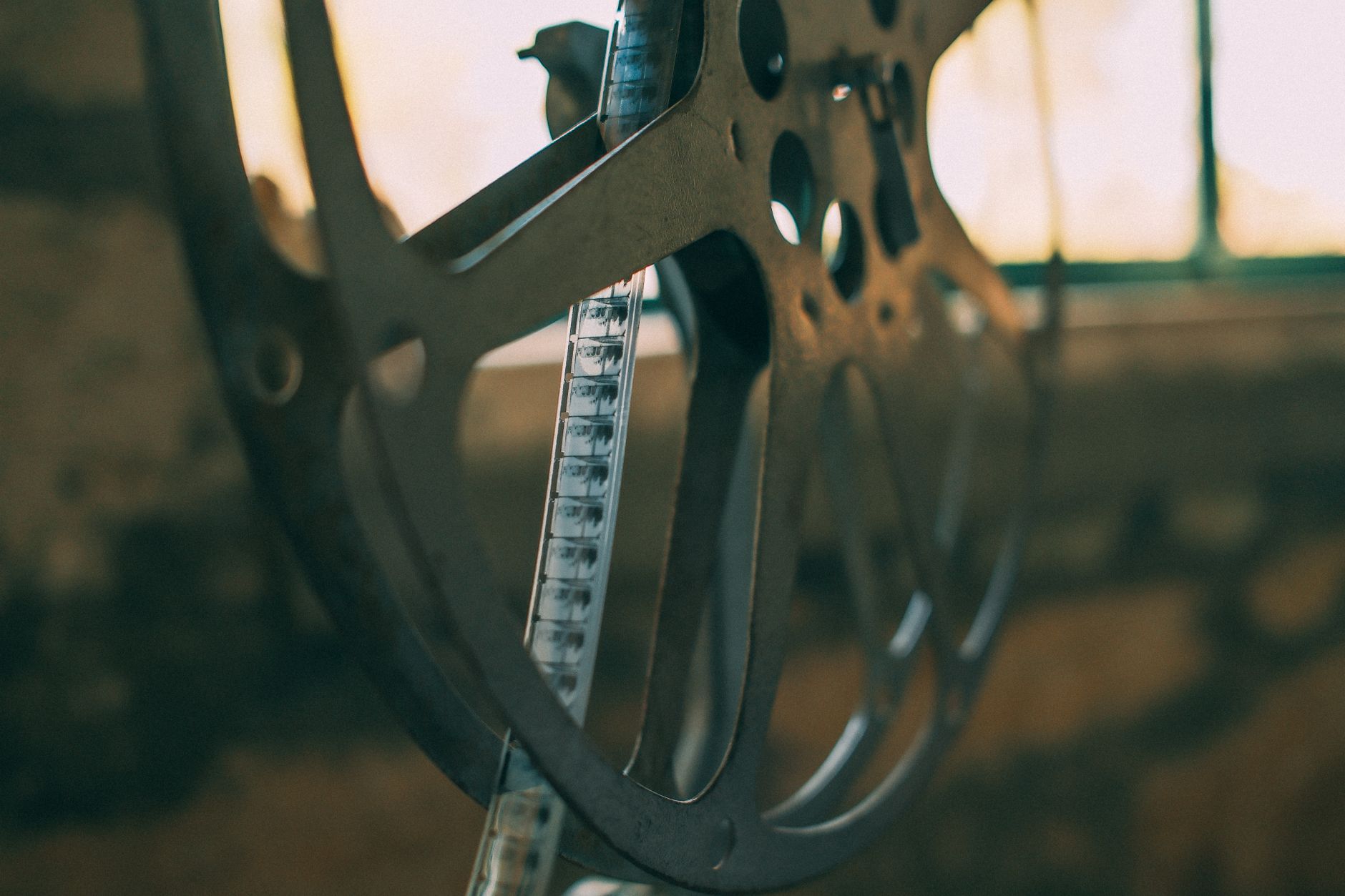
The legacy of silent cinema continues to influence contemporary filmmaking. Silent films, produced from the 1890s to the late 1920s, were the first to tell stories through moving images. This era of cinema laid the groundwork for the film industry as we know it today. The art of storytelling through visual elements was refined during this period, with pioneers like Charlie Chaplin and Buster Keaton. The impact of silent cinema can still be seen in many modern films.
What happened
The silent film era was marked by the introduction of new technologies and techniques. Filmmakers experimented with camera angles, lighting, and editing to convey emotions and tell stories. The lack of sound led to a greater emphasis on visual elements and the development of a unique cinematic language. This period also saw the rise of movie palaces, where silent films were screened with live orchestral accompaniment. The silent film era came to an end with the introduction of sound in films, but its legacy endures. The work of silent film stars like Charlie Chaplin and Buster Keaton continues to inspire new generations of filmmakers and actors. Their ability to convey complex emotions and tell compelling stories without the use of dialogue has had a lasting impact on the art of filmmaking. The silent film era also saw the establishment of the major film studios, which continue to dominate the industry today. The influence of silent cinema can be seen in many aspects of modern filmmaking, from the use of visual effects to the emphasis on storytelling.
Why it matters
The legacy of silent cinema matters because it reminds us of the power of visual storytelling. In an era dominated by dialogue and special effects, silent films show us that sometimes less can be more. The art of silent filmmaking also highlights the importance of collaboration between filmmakers, actors, and musicians. The use of live music in silent film screenings added a new dimension to the cinematic experience, and this tradition continues to influence contemporary film scores.
- Influenced contemporary filmmaking
- Refined the art of visual storytelling
- Established the major film studios
- Limited by the lack of sound
- Often overlooked in modern cinema
- Difficult to preserve and restore
How to think about it
To appreciate the legacy of silent cinema, we need to consider the historical context in which these films were made. We must also recognize the innovative techniques and technologies that were developed during this period. By studying the art of silent filmmaking, we can gain a deeper understanding of the evolution of cinema and the ways in which it continues to shape our culture.