Color Theory in Film and Directing
Color theory in film. Directors use it.
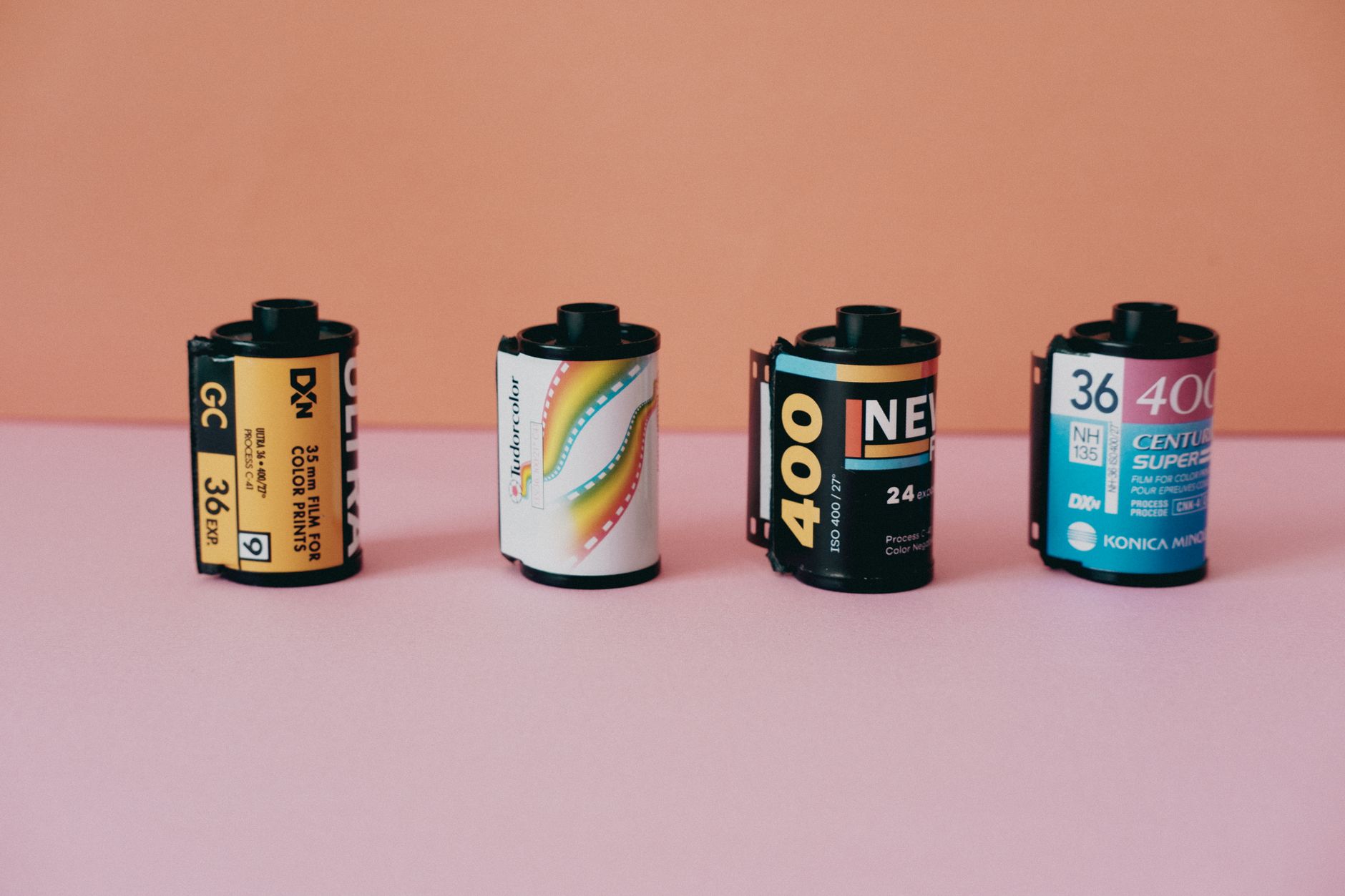
Color theory is a crucial aspect of filmmaking, as it can greatly impact the mood and atmosphere of a scene. Directors use color to convey emotions and themes, and to guide the viewer's attention. The use of color can also be used to create a sense of continuity or contrast between different scenes. By carefully selecting the colors used in a film, directors can create a unique visual style that enhances the overall narrative. The impact of color on the viewer's emotional experience is a key consideration for filmmakers. Color theory is used to create a specific mood or atmosphere in a film.
What happened
The use of color in film has been a long-standing tradition, with early filmmakers experimenting with different color techniques to create unique visual effects. Over time, color theory has become an essential aspect of filmmaking, with directors using color to create mood, convey themes, and guide the viewer's attention. The development of new technologies has also expanded the possibilities for color use in film, allowing for greater precision and control. The choice of colors used in a film can greatly impact the viewer's emotional experience, with different colors evoking different emotions and associations. By carefully selecting the colors used in a film, directors can create a specific mood or atmosphere, drawing the viewer into the world of the film. The use of color can also be used to create a sense of continuity or contrast between different scenes, helping to guide the viewer's attention and create a sense of flow.
Why it matters
The use of color in film is important because it can greatly impact the viewer's emotional experience and engagement with the film. By using color to create a specific mood or atmosphere, directors can draw the viewer into the world of the film, creating a more immersive and engaging experience. The use of color can also be used to convey themes and emotions, adding depth and complexity to the narrative.
- Enhances emotional experience
- Creates a unique visual style
- Guides the viewer's attention
- Can be distracting if overused
- May not translate well across different screens
- Requires careful consideration and planning
How to think about it
When thinking about color in film, it's essential to consider the emotional and thematic implications of different colors. Directors should carefully select the colors used in a film, considering how they will impact the viewer's experience and engagement with the narrative. By using color in a thoughtful and intentional way, directors can create a unique and immersive visual style that enhances the overall impact of the film.