Cheyenne Utility Traces Rare Bacteria in Wastewater to Meta Data Center Contractor
Cheyenne's utility board traced a rare bacterial discharge to a Meta data center contractor, leading to new industrial wastewater rules.
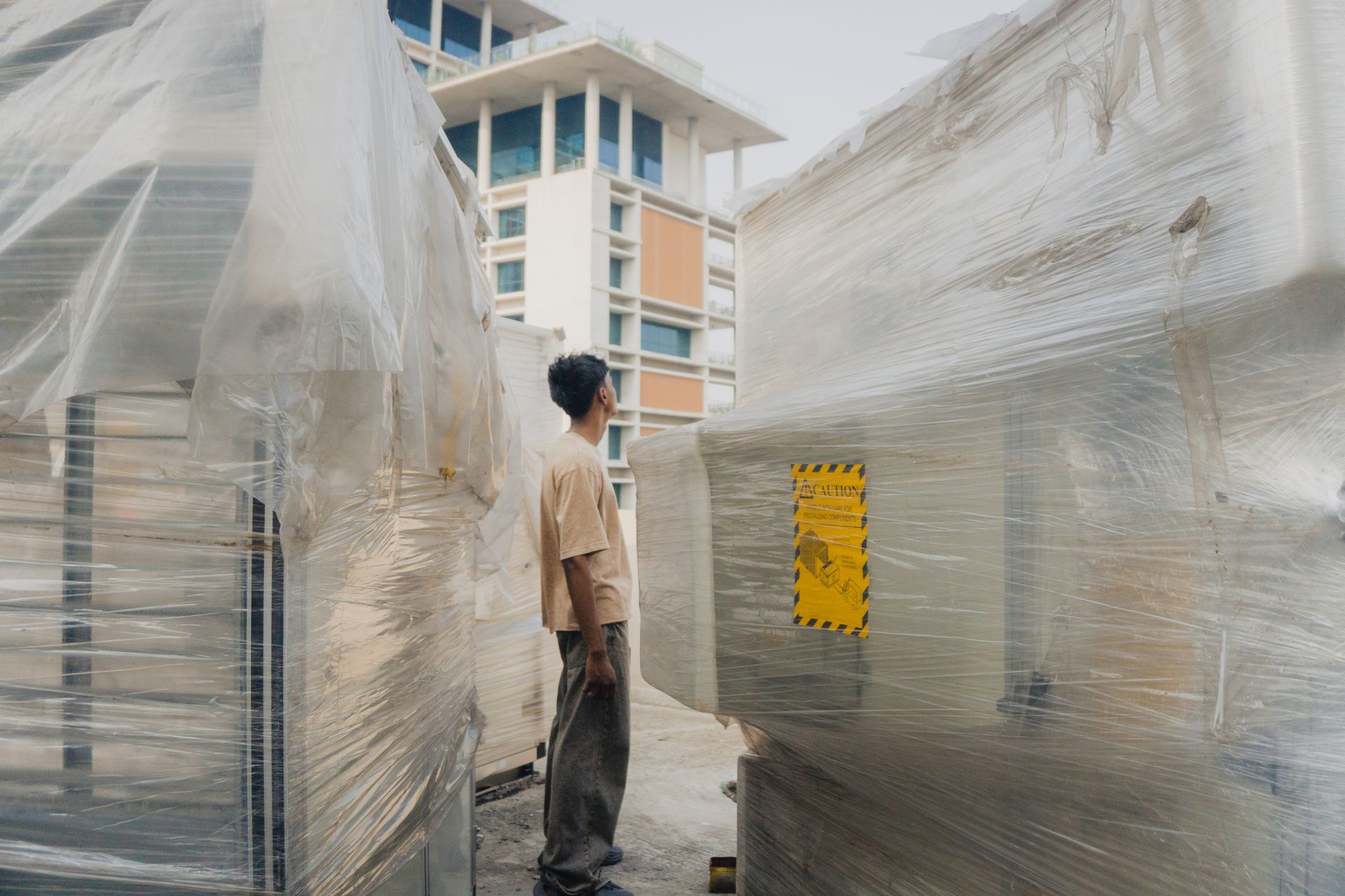
The construction of Meta's massive artificial intelligence data center in Cheyenne, Wyoming, has hit an unexpected environmental hurdle. The Cheyenne Board of Public Utilities recently traced a discharge of the rare bacterium Cupriavidus gilardii in the city's wastewater system back to a subcontractor working on the site. This discovery has prompted immediate regulatory action, highlighting the complex environmental footprint of the infrastructure supporting our digital lives.
What happened
During routine fecal bacteria testing in February, the Cheyenne Board of Public Utilities (BOPU) discovered Cupriavidus gilardii, a rare but naturally occurring bacterium, in the city's wastewater treatment system. Officials traced the source to Goat Systems LLC, a subcontractor performing "fill-and-flush" operations on the closed-loop cooling systems at Meta's under-construction data center campus in the High Plains Business Park. The process involves circulating purified water to clear construction debris and pipe scale before draining it and filling the system with coolant.
In response, BOPU immediately halted the discharge, temporarily suspended Cheyenne's reclaimed water irrigation program, and permanently revoked Meta's discharge privileges. Furthermore, the board adopted a strict new policy prohibiting all future wastewater discharges from data centers utilizing closed-loop cooling and fill-and-flush systems. Meta's general contractor, Fortis, has transitioned to hauling industrial wastewater offsite and reported that independent testing has found no further traces of the bacteria.
Why it matters
This incident underscores the growing tension between rapid tech infrastructure expansion and local municipal resources. While Cupriavidus gilardii is a naturally occurring environmental bacterium rather than a synthetic contaminant, it can act as an opportunistic pathogen for individuals with compromised immune systems. The swift regulatory response demonstrates that local utility boards are willing to impose hard limits on tech giants to protect public infrastructure, even if it means altering operational workflows for multi-billion-dollar projects.
- Routine municipal testing successfully identified the biological anomaly before it impacted public drinking water.
- The general contractor immediately halted discharges and transitioned to hauling wastewater offsite.
- New municipal policies establish clear environmental boundaries for future data center developments.
- The incident led to the temporary suspension of Cheyenne's reclaimed water irrigation program.
- Meta permanently lost its municipal wastewater discharge privileges for this facility's cooling systems.
- The exact origin of the bacteria in the purchased water remains unidentified.
How to think about it
As data centers expand to support global digital infrastructure, local communities must balance economic development with resource protection. This situation shows that municipal oversight remains a critical line of defense, even during the pre-operational construction phases of major technology hubs. For the tech sector, it highlights the necessity of rigorous environmental risk assessments and the likelihood of facing stricter local regulations regarding water usage and disposal.
FAQ
What is Cupriavidus gilardii and is it dangerous?+
It is a rare, naturally occurring bacterium found in soil and water. While generally harmless to healthy individuals, it can act as an opportunistic pathogen in people with weakened immune systems.
How did the bacteria enter the wastewater system?+
A subcontractor named Goat Systems discharged water used for "fill-and-flush" cleaning of the data center's cooling pipes into the sanitary sewer, and tests revealed this discharged water contained the bacteria.
How has Meta responded to the utility board's findings?+
Meta is supporting its general contractor, Fortis, which immediately stopped discharging industrial wastewater at the site, began hauling it offsite, and initiated independent water testing.
- opinion·2 min readWelcome to Movies Rule
A hand-written seed post so the blog isn't empty on first build. Every post after this one is generated by the pipeline described on the About page.
- news·3 min readABC Marks America's 250th Anniversary With Disney Celebrates America Broadcast
ABC News leads a massive 24-hour multi-platform broadcast spanning all 50 states to celebrate America's milestone 250th anniversary.
- news·3 min readFrance and Morocco Advance to 2026 World Cup Quarterfinals After Round of 16 Victories
France defeats Paraguay and Morocco eliminates Canada to set up a highly anticipated quarterfinal matchup in Boston.